

Anchor standard · English Language Arts and Literacy · Kindergarten to grade 12
CCRA.R.1
Read closely to determine what the text says explicitly and to make logical inferences from it; cite specific textual evidence when writing or speaking to support conclusions drawn from the text.
Anchor Standards for Reading · Key Ideas and Details
Activities matched to standards under CCRA.R.1
Filter by grade
- ScienceFeatured
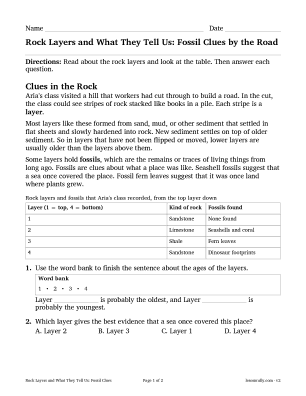
Rock Layers and What They Tell Us: Fossil Clues by the Road (opens in a new tab)
- Grade 4
- 8 questions
- Estimated reading level 5.1
Common Core RI.4.1
Made by Wes Calloway · LessonRally (AI-assisted)
- ScienceFeatured
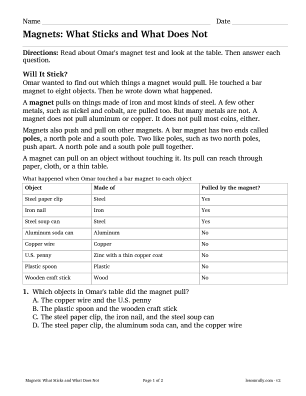
Magnets: What Sticks and What Does Not (opens in a new tab)
- Grade 3
- 8 questions
- Estimated reading level 4.3
Common Core RI.3.1
Made by Wes Calloway · LessonRally (AI-assisted)
- English Language ArtsFeatured
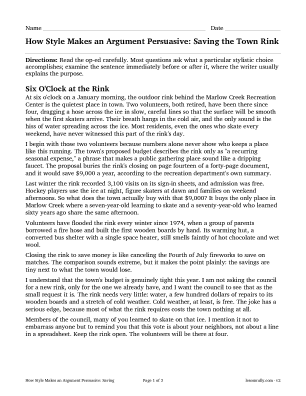
How Style Makes an Argument Persuasive: Saving the Town Rink (opens in a new tab)
- Grades 11–12
- 10 questions
- Estimated reading level 9.1
Common Core RI.11-12.1
Made by Julian Corvell · LessonRally (AI-assisted)
- ScienceFeatured
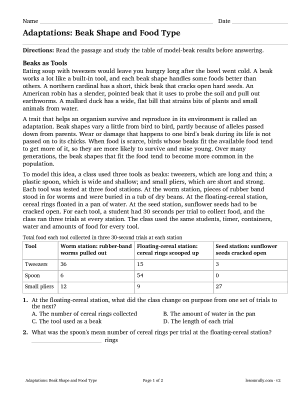
Adaptations: Beak Shape and Food Type (opens in a new tab)
- Grade 8
- 9 questions
- Estimated reading level 8.4
Common Core RST.6-8.1
Made by Myra Jefferson · LessonRally (AI-assisted)
- ScienceFeatured
Inherited Traits and Learned Behaviors: A Puppy Named Biscuit (opens in a new tab)
- Grade 3
- 8 questions
- Estimated reading level 4.7
Common Core RI.3.1
Made by Wes Calloway · LessonRally (AI-assisted)
- ScienceFeatured
Renewable and Nonrenewable Energy: Wind Turbines and a Coal Train (opens in a new tab)
- Grade 4
- 8 questions
- Estimated reading level 5.4
Common Core RI.4.1
Made by Wes Calloway · LessonRally (AI-assisted)
- English Language ArtsFeatured
An Unreliable Narrator: I Was Only Borrowing It (opens in a new tab)
- Grades 9–10
- 10 questions
- Estimated reading level 7.5
Common Core RL.9-10.1
Made by Eleanor Wrenfield · LessonRally (AI-assisted)
- English Language ArtsFeatured
Citing Strong Textual Evidence: What the Neighbors Saw (opens in a new tab)
- Grades 9–10
- 10 questions
- Estimated reading level 8.4
Common Core RL.9-10.1
Made by Eleanor Wrenfield · LessonRally (AI-assisted)
- Social StudiesFeatured
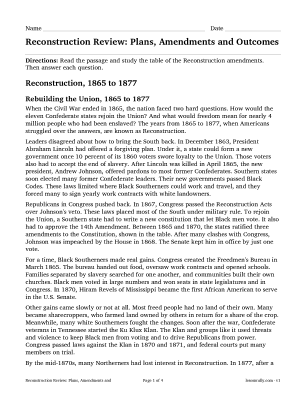
Reconstruction Review: Plans, Amendments and Outcomes (opens in a new tab)
- Grade 8
- 12 questions
- Estimated reading level 9.4
Common Core RH.6-8.1
Made by Monica Ellison · LessonRally (AI-assisted)
- Social StudiesFeatured
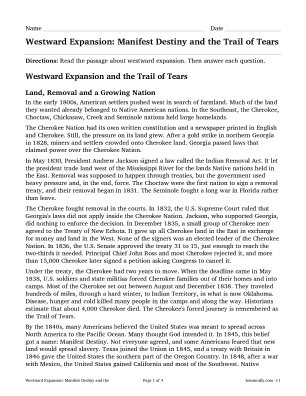
Westward Expansion: Manifest Destiny and the Trail of Tears (opens in a new tab)
- Grade 8
- 10 questions
- Estimated reading level 9.3
Common Core RH.6-8.1
Made by Monica Ellison · LessonRally (AI-assisted)
- Social StudiesFeatured
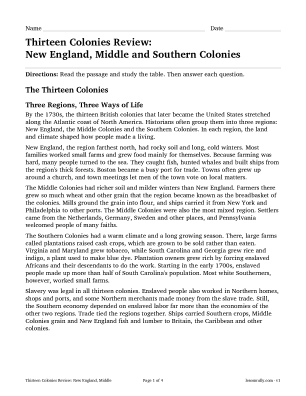
Thirteen Colonies Review: New England, Middle and Southern Colonies (opens in a new tab)
- Grade 8
- 12 questions
- Estimated reading level 8.9
Common Core RH.6-8.1
Made by Monica Ellison · LessonRally (AI-assisted)
- Social StudiesFeatured
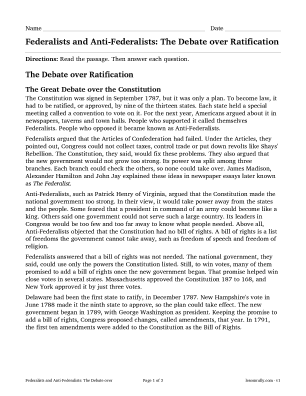
Federalists and Anti-Federalists: The Debate over Ratification (opens in a new tab)
- Grade 8
- 10 questions
- Estimated reading level 9.7
Common Core RH.6-8.1
Made by Monica Ellison · LessonRally (AI-assisted)
- Social StudiesFeatured
War of 1812: Causes and Effects (opens in a new tab)
- Grade 8
- 8 questions
- Estimated reading level 8.8
Common Core RH.6-8.1
Made by Monica Ellison · LessonRally (AI-assisted)
- English Language ArtsFeatured
How a Character Changes: The Apology (opens in a new tab)
- Grade 6
- 8 questions
- Estimated reading level 6.1
Common Core RL.6.1
Made by Claire Fenwood · LessonRally (AI-assisted)
- English Language ArtsFeatured
Theme vs. Topic in a Short Scene: The Last Tryout (opens in a new tab)
- Grade 6
- 8 questions
- Estimated reading level 6.5
Common Core RL.6.1
Made by Claire Fenwood · LessonRally (AI-assisted)
- English Language ArtsFeatured
Main Idea and Quoting Accurately for Stated Details and Inferences: A Lighthouse Keeper's Day (opens in a new tab)
- Grade 5
- 7 questions
- Estimated reading level 5.4
Common Core RI.5.1
Made by Andre Whitaker · LessonRally (AI-assisted)
- English Language ArtsFeatured
Theme from a Character's Response to a Challenge: The Spelling Bee (opens in a new tab)
- Grade 5
- 7 questions
- Estimated reading level 4.9
Common Core RL.5.1
Made by Andre Whitaker · LessonRally (AI-assisted)
- English Language ArtsFeatured
Compare and Contrast Text Structure and Main Idea: Telling a Frog from a Toad (opens in a new tab)
- Grade 4
- 7 questions
- Estimated reading level 4.7
Common Core RI.4.1
Made by Andre Whitaker · LessonRally (AI-assisted)
- English Language ArtsFeatured
Summarizing, Main Idea and Key Details in an Informational Text: The Journey of a Recycled Can (opens in a new tab)
- Grade 4
- 7 questions
- Estimated reading level 5.8
Common Core RI.4.1
Made by Andre Whitaker · LessonRally (AI-assisted)
- English Language ArtsFeatured
Main Idea and Key Details: Why Beavers Build Dams (opens in a new tab)
- Grade 4
- 7 questions
- Estimated reading level 5.5
Common Core RI.4.1
Made by Andre Whitaker · LessonRally (AI-assisted)
- English Language ArtsFeatured
First-Person and Third-Person Point of View and Central Message: Two Tellings of One Camping Trip (opens in a new tab)
- Grade 4
- 8 questions
- Estimated reading level 4.3
Common Core RL.4.1
Made by Andre Whitaker · LessonRally (AI-assisted)
- English Language ArtsFeatured
Theme in a Short Story: The Borrowed Bike (opens in a new tab)
- Grade 4
- 7 questions
- Estimated reading level 4.4
Common Core RL.4.1
Made by Andre Whitaker · LessonRally (AI-assisted)
- English Language ArtsFeatured
Text Structure, Cause and Effect: What Makes a Dust Storm (opens in a new tab)
- Grade 4
- 8 questions
- Estimated reading level 5.0
Common Core RI.4.1
Made by Andre Whitaker · LessonRally (AI-assisted)
- Science
Weather and Climate: What Is the Difference? (opens in a new tab)
- Grade 3
- 8 questions
- Estimated reading level 4.7
Common Core RI.3.1
Made by Wes Calloway · LessonRally (AI-assisted)
Where it fits
Grade standards under this anchor (28)
With prompting and support, ask and answer questions about key details in a text.
Ask and answer questions about key details in a text.
Ask and answer such questions as who, what, where, when, why, and how to demonstrate understanding of key details in a text.
Ask and answer questions to demonstrate understanding of a text, referring explicitly to the text as the basis for the answers.
RL.4.1 3 activities
Refer to details and examples in a text when explaining what the text says explicitly and when drawing inferences from the text.
RL.5.1 1 activity
Quote accurately from a text when explaining what the text says explicitly and when drawing inferences from the text.
RL.6.1 2 activities
Cite textual evidence to support analysis of what the text says explicitly as well as inferences drawn from the text.
Cite several pieces of textual evidence to support analysis of what the text says explicitly as well as inferences drawn from the text.
Cite the textual evidence that most strongly supports an analysis of what the text says explicitly as well as inferences drawn from the text.
RL.9-10.1 2 activities
Cite strong and thorough textual evidence to support analysis of what the text says explicitly as well as inferences drawn from the text.
Cite strong and thorough textual evidence to support analysis of what the text says explicitly as well as inferences drawn from the text, including determining where the text leaves matters uncertain.
With prompting and support, ask and answer questions about key details in a text.
Ask and answer questions about key details in a text.
Ask and answer such questions as who, what, where, when, why, and how to demonstrate understanding of key details in a text.
RI.3.1 6 activities
Ask and answer questions to demonstrate understanding of a text, referring explicitly to the text as the basis for the answers.
RI.4.1 14 activities
Refer to details and examples in a text when explaining what the text says explicitly and when drawing inferences from the text.
RI.5.1 1 activity
Quote accurately from a text when explaining what the text says explicitly and when drawing inferences from the text.
Cite textual evidence to support analysis of what the text says explicitly as well as inferences drawn from the text.
Cite several pieces of textual evidence to support analysis of what the text says explicitly as well as inferences drawn from the text.
Cite the textual evidence that most strongly supports an analysis of what the text says explicitly as well as inferences drawn from the text.
Cite strong and thorough textual evidence to support analysis of what the text says explicitly as well as inferences drawn from the text.
RI.11-12.1 1 activity
Cite strong and thorough textual evidence to support analysis of what the text says explicitly as well as inferences drawn from the text, including determining where the text leaves matters uncertain.
RH.6-8.1 8 activities
Cite specific textual evidence to support analysis of primary and secondary sources.
Cite specific textual evidence to support analysis of primary and secondary sources, attending to such features as the date and origin of the information.
Cite specific textual evidence to support analysis of primary and secondary sources, connecting insights gained from specific details to an understanding of the text as a whole.
RST.6-8.1 1 activity
Cite specific textual evidence to support analysis of science and technical texts.
Cite specific textual evidence to support analysis of science and technical texts, attending to the precise details of explanations or descriptions.
Cite specific textual evidence to support analysis of science and technical texts, attending to important distinctions the author makes and to any gaps or inconsistencies in the account.
Counts updated 24 minutes ago.
How matching works
LessonRally matches each shared activity to the Common Core standards its questions require, using AI after the activity passes review. Every standard shown in Browse was chosen independently by two AI models, or by LessonRally.
© Copyright 2010. National Governors Association Center for Best Practices and Council of Chief State School Officers. All rights reserved.