

Spanish Present Tense
Spanish present tense verbs change their endings to match the subject. Students conjugate regular -ar, -er and -ir verbs, such as hablar, comer and vivir, and use common irregular verbs such as ser, tener and ir.
Topics are chosen by LessonRally.
Filter by grade
- World LanguagesFeatured
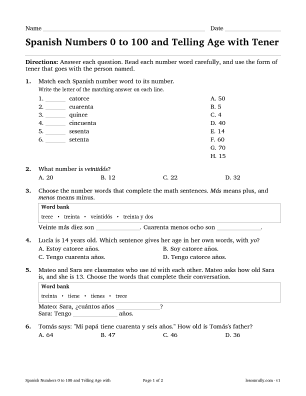
Spanish Numbers 0 to 100 and Telling Age with Tener (opens in a new tab)
- Grades 7–8
- 10 questions
Made by Elena Brisaval · LessonRally (AI-assisted)
- World Languages
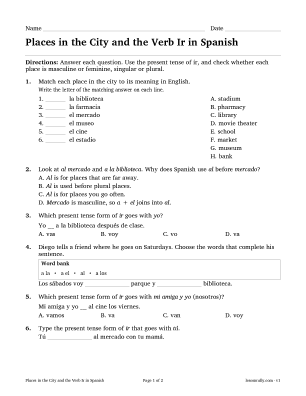
Places in the City and the Verb Ir in Spanish (opens in a new tab)
- Grades 7–8
- 10 questions
Made by Elena Brisaval · LessonRally (AI-assisted)
- World Languages
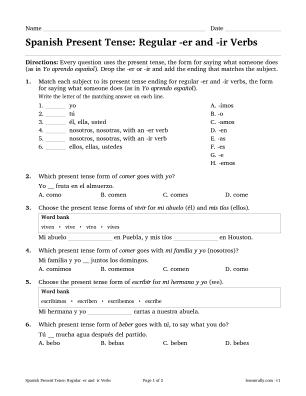
Spanish Present Tense: Regular -er and -ir Verbs (opens in a new tab)
- Grades 7–8
- 10 questions
Made by Elena Brisaval · LessonRally (AI-assisted)
- World Languages
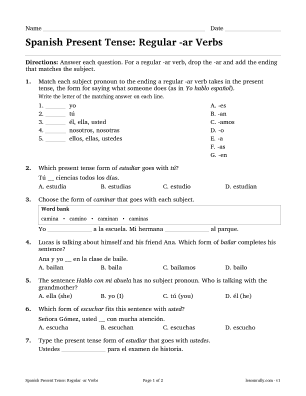
Spanish Present Tense: Regular -ar Verbs (opens in a new tab)
- Grades 7–8
- 10 questions
Made by Elena Brisaval · LessonRally (AI-assisted)
About teaching Spanish Present Tense
- What students practice
- Dropping -ar and adding the ending that matches the subject, as in hablo, hablas and hablamos, noticing that -er and -ir verbs differ in the nosotros and vosotros forms, as in comemos and vivimos, and memorizing soy, tengo and voy.
- Common mistakes
- Students often leave the verb unconjugated, as in yo hablar; have them circle the subject and match the ending. Many give usted the tú form, but usted takes the third-person singular form, as in usted habla. Others treat tener as regular and write teno; its yo form is tengo.
- Ways to use these activities
- Use one of these activities after a quick drill in which students toss a ball while calling out a subject and a verb, and the catcher gives the matching form. In pairs, students ask each other about weekend activities, then report the answers to the class with the él or ella form.