

Government and Citizenship
A government makes laws, carries them out and decides disputes. Students identify the three branches and the checks each has on the others, match jobs to local, state or national government, and tell rights from responsibilities.
Topics are chosen by LessonRally.
Filter by grade
- Social StudiesFeatured
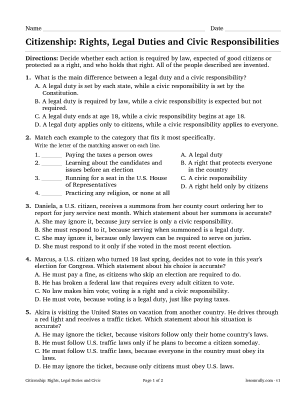
Citizenship: Rights, Legal Duties and Civic Responsibilities (opens in a new tab)
- Grade 8
- 8 questions
- Estimated reading level 7.6
Made by Nathan Kessler · LessonRally (AI-assisted)
- Social StudiesFeatured
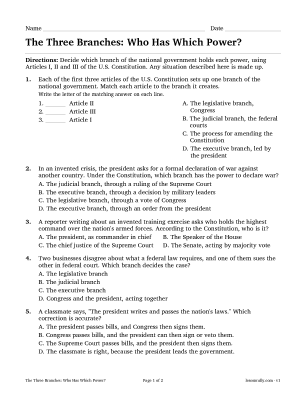
The Three Branches: Who Has Which Power? (opens in a new tab)
- Grade 8
- 10 questions
- Estimated reading level 9.6
Made by Nathan Kessler · LessonRally (AI-assisted)
- Social StudiesFeatured
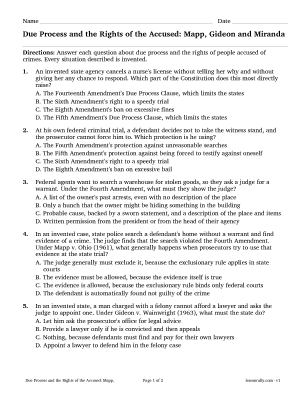
Due Process and the Rights of the Accused: Mapp, Gideon and Miranda (opens in a new tab)
- Grades 9–10
- 10 questions
- Estimated reading level 9.2
Made by Nathan Kessler · LessonRally (AI-assisted)
- Social Studies
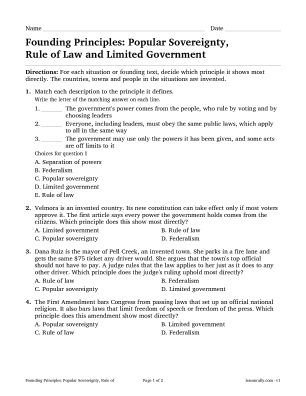
Founding Principles: Popular Sovereignty, Rule of Law and Limited Government (opens in a new tab)
- Grades 8–9
- 8 questions
- Estimated reading level 9.4
Made by Nathan Kessler · LessonRally (AI-assisted)
- Social Studies
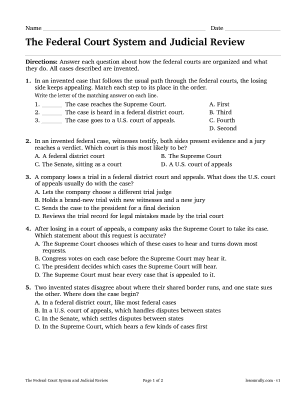
The Federal Court System and Judicial Review (opens in a new tab)
- Grades 9–10
- 8 questions
- Estimated reading level 7.7
Made by Nathan Kessler · LessonRally (AI-assisted)
- Social Studies
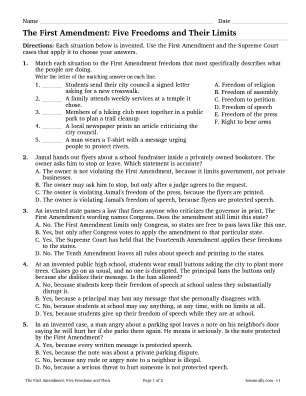
The First Amendment: Five Freedoms and Their Limits (opens in a new tab)
- Grades 8–9
- 10 questions
- Estimated reading level 7.9
Made by Nathan Kessler · LessonRally (AI-assisted)
- Social Studies
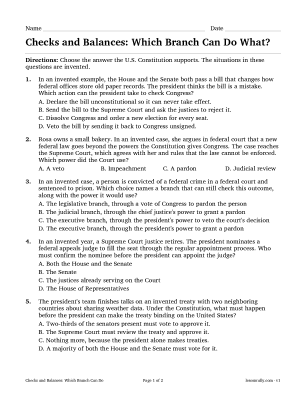
Checks and Balances: Which Branch Can Do What? (opens in a new tab)
- Grade 8
- 10 questions
- Estimated reading level 8.4
Made by Nathan Kessler · LessonRally (AI-assisted)
- Social Studies
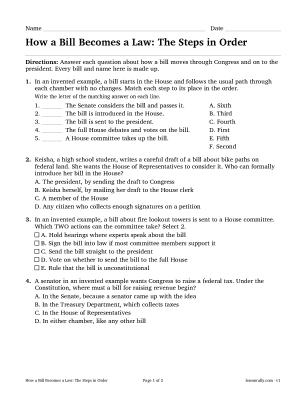
How a Bill Becomes a Law: The Steps in Order (opens in a new tab)
- Grade 8
- 8 questions
- Estimated reading level 7.1
Made by Nathan Kessler · LessonRally (AI-assisted)
- Social Studies
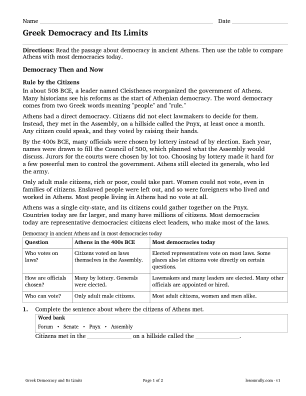
Greek Democracy and Its Limits (opens in a new tab)
- Grade 6
- 10 questions
- Estimated reading level 9.0
Made by Owen Brackwell · LessonRally (AI-assisted)
- Social Studies
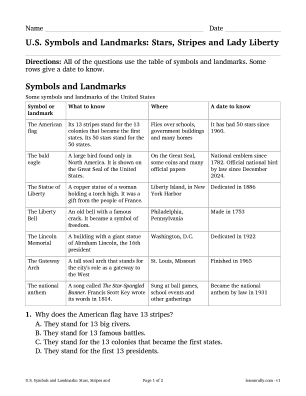
U.S. Symbols and Landmarks: Stars, Stripes and Lady Liberty (opens in a new tab)
- Grade 3
- 9 questions
- Estimated reading level 3.9
Made by Carmen Valdoria · LessonRally (AI-assisted)
- Social Studies
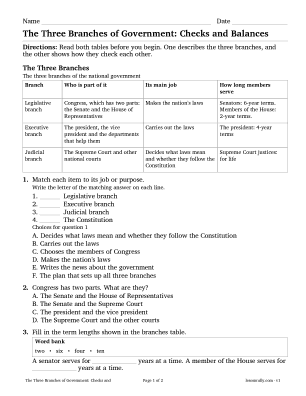
The Three Branches of Government: Checks and Balances (opens in a new tab)
- Grade 5
- 9 questions
- Estimated reading level 4.9
Common Core RI.5.3
Made by Carmen Valdoria · LessonRally (AI-assisted)
- Social Studies
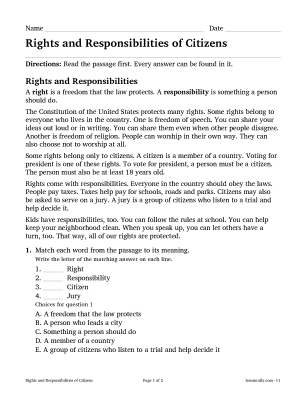
Rights and Responsibilities of Citizens (opens in a new tab)
- Grade 3
- 9 questions
- Estimated reading level 5.3
Common Core RI.3.1
Made by Carmen Valdoria · LessonRally (AI-assisted)
- Social Studies
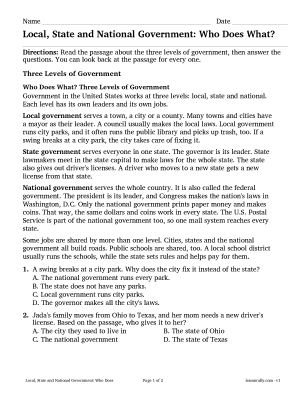
Local, State and National Government: Who Does What? (opens in a new tab)
- Grade 4
- 9 questions
- Estimated reading level 7.3
Common Core RI.4.1
Made by Carmen Valdoria · LessonRally (AI-assisted)
About teaching Government and Citizenship
- What students practice
- Tracing a regular presidential veto, which Congress can override with a two-thirds vote in each house, sorting driver’s licenses and passports by level of government, and telling a right like free speech from a responsibility like jury duty.
- Common mistakes
- Students often think the president makes laws; have them trace a bill from Congress to the president’s signature or veto. Many confuse mayors, governors and the president; have them match each to a service. Others think courts can strike down any law at will, but courts rule only on cases brought to them.
- Ways to use these activities
- Use one of these activities before a class election or mock trial. In pairs, one student names an official, such as a state legislator, a governor or a U.S. senator, and the other gives the level of government and the branch.