

Music
Students sort orchestra instruments into string, woodwind, brass and percussion families, count note values in time signatures such as 4/4, and place composers such as Bach and Mozart in the history of music.
Topics are chosen by LessonRally.
Filter by grade
- ArtsFeatured
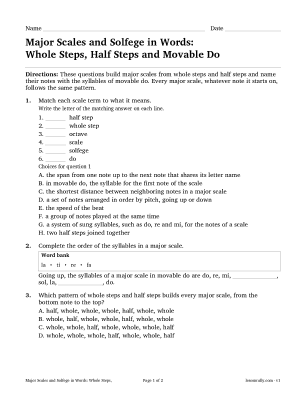
Major Scales and Solfege in Words: Whole Steps, Half Steps and Movable Do (opens in a new tab)
- Grades 6–7
- 10 questions
- Estimated reading level 4.9
Made by Miles Penhallow · LessonRally (AI-assisted)
- ArtsFeatured
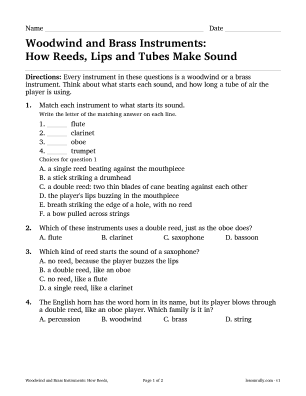
Woodwind and Brass Instruments: How Reeds, Lips and Tubes Make Sound (opens in a new tab)
- Grade 5
- 10 questions
- Estimated reading level 5.3
Made by Miles Penhallow · LessonRally (AI-assisted)
- ArtsFeatured
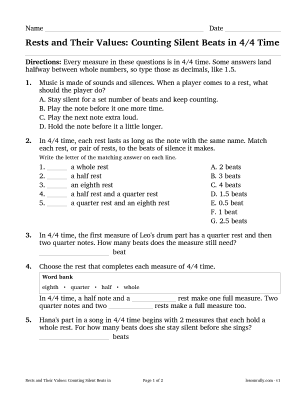
Rests and Their Values: Counting Silent Beats in 4/4 Time (opens in a new tab)
- Grade 4
- 10 questions
- Estimated reading level 3.4
Made by Miles Penhallow · LessonRally (AI-assisted)
- ArtsFeatured
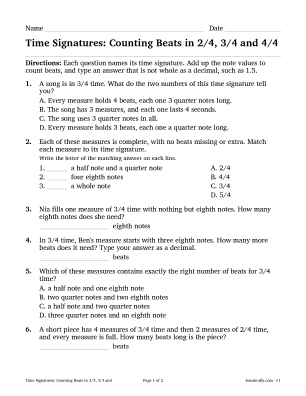
Time Signatures: Counting Beats in 2/4, 3/4 and 4/4 (opens in a new tab)
- Grades 5–6
- 10 questions
- Estimated reading level 3.1
Made by Miles Penhallow · LessonRally (AI-assisted)
- ArtsFeatured
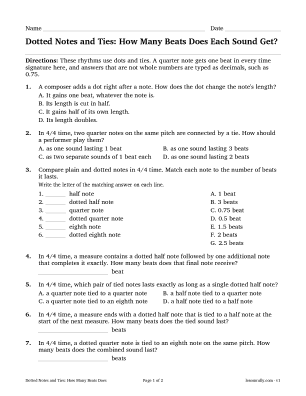
Dotted Notes and Ties: How Many Beats Does Each Sound Get? (opens in a new tab)
- Grades 6–7
- 10 questions
- Estimated reading level 4.0
Made by Miles Penhallow · LessonRally (AI-assisted)
- Arts
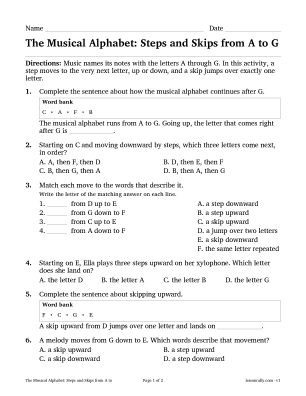
The Musical Alphabet: Steps and Skips from A to G (opens in a new tab)
- Grade 4
- 10 questions
- Estimated reading level 3.6
Made by Miles Penhallow · LessonRally (AI-assisted)
- Arts
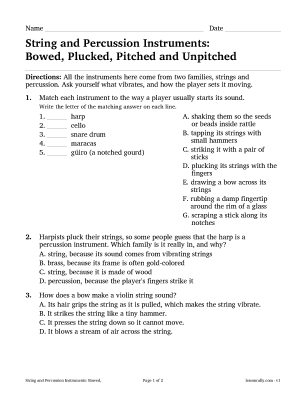
String and Percussion Instruments: Bowed, Plucked, Pitched and Unpitched (opens in a new tab)
- Grade 5
- 10 questions
- Estimated reading level 7.8
Made by Miles Penhallow · LessonRally (AI-assisted)
- Arts
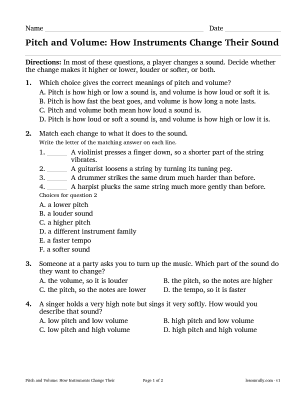
Pitch and Volume: How Instruments Change Their Sound (opens in a new tab)
- Grade 5
- 10 questions
- Estimated reading level 4.1
Made by Miles Penhallow · LessonRally (AI-assisted)
- Arts
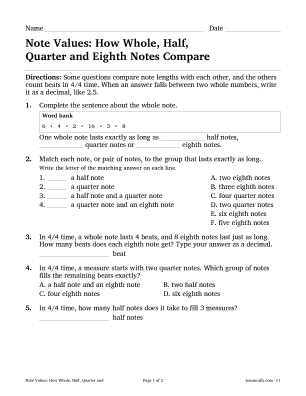
Note Values: How Whole, Half, Quarter and Eighth Notes Compare (opens in a new tab)
- Grade 4
- 10 questions
- Estimated reading level 3.5
Made by Miles Penhallow · LessonRally (AI-assisted)
- Arts
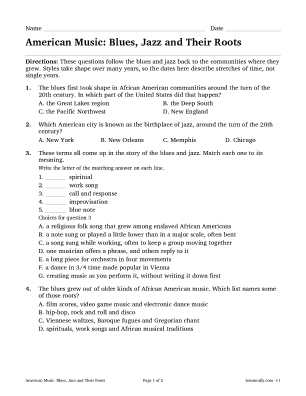
American Music: Blues, Jazz and Their Roots (opens in a new tab)
- Grades 7–8
- 10 questions
- Estimated reading level 6.7
Made by Miles Penhallow · LessonRally (AI-assisted)
- Arts
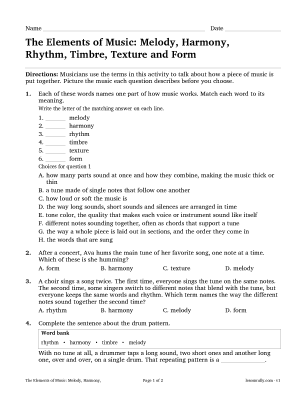
The Elements of Music: Melody, Harmony, Rhythm, Timbre, Texture and Form (opens in a new tab)
- Grade 6
- 10 questions
- Estimated reading level 6.7
Made by Miles Penhallow · LessonRally (AI-assisted)
- Arts
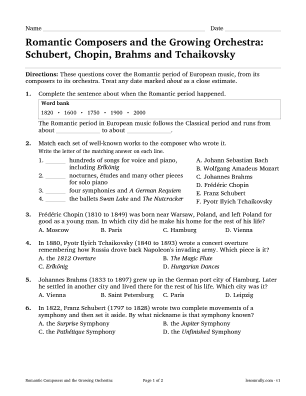
Romantic Composers and the Growing Orchestra: Schubert, Chopin, Brahms and Tchaikovsky (opens in a new tab)
- Grades 7–8
- 10 questions
- Estimated reading level 9.1
Made by Miles Penhallow · LessonRally (AI-assisted)
- Arts
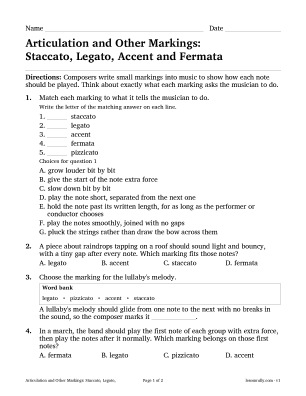
Articulation and Other Markings: Staccato, Legato, Accent and Fermata (opens in a new tab)
- Grades 5–6
- 10 questions
- Estimated reading level 7.4
Made by Miles Penhallow · LessonRally (AI-assisted)
- Arts
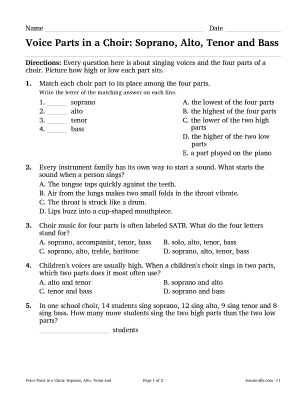
Voice Parts in a Choir: Soprano, Alto, Tenor and Bass (opens in a new tab)
- Grade 5
- 10 questions
- Estimated reading level 6.7
Made by Miles Penhallow · LessonRally (AI-assisted)
- Arts
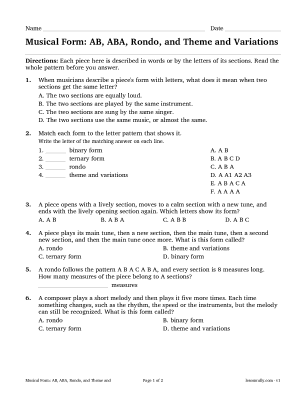
Musical Form: AB, ABA, Rondo, and Theme and Variations (opens in a new tab)
- Grades 6–7
- 10 questions
- Estimated reading level 4.6
Made by Miles Penhallow · LessonRally (AI-assisted)
- Arts
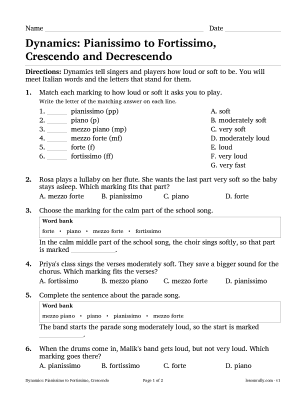
Dynamics: Pianissimo to Fortissimo, Crescendo and Decrescendo (opens in a new tab)
- Grades 4–5
- 10 questions
- Estimated reading level 6.5
Made by Miles Penhallow · LessonRally (AI-assisted)
- Arts
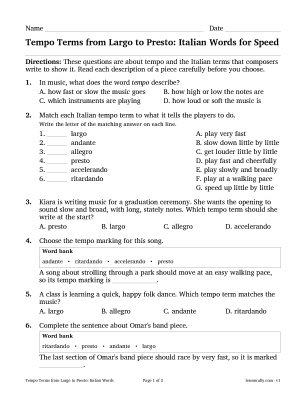
Tempo Terms from Largo to Presto: Italian Words for Speed (opens in a new tab)
- Grades 5–6
- 10 questions
- Estimated reading level 7.3
Made by Miles Penhallow · LessonRally (AI-assisted)
- Arts
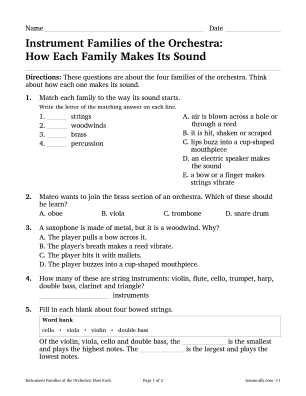
Instrument Families of the Orchestra: How Each Family Makes Its Sound (opens in a new tab)
- Grade 4
- 10 questions
- Estimated reading level 6.1
Made by Miles Penhallow · LessonRally (AI-assisted)
- Arts
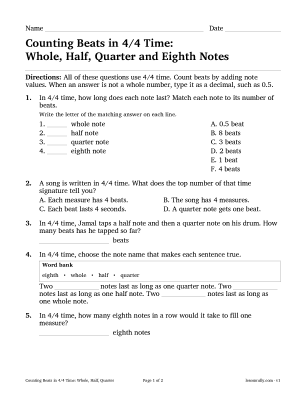
Counting Beats in 4/4 Time: Whole, Half, Quarter and Eighth Notes (opens in a new tab)
- Grades 4–5
- 10 questions
- Estimated reading level 2.6
Made by Miles Penhallow · LessonRally (AI-assisted)
- Arts
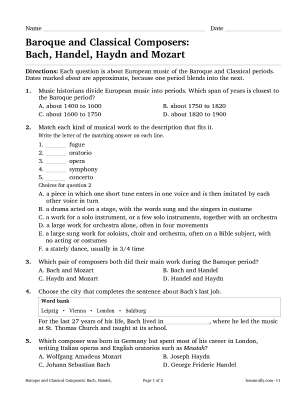
Baroque and Classical Composers: Bach, Handel, Haydn and Mozart (opens in a new tab)
- Grades 7–8
- 10 questions
- Estimated reading level 8.6
Made by Miles Penhallow · LessonRally (AI-assisted)
About teaching Music
- What students practice
- Naming how each family starts a sound, from buzzing lips in brass to a vibrating reed or air across an edge in woodwinds, and adding beats in 4/4 so that a half note and two quarter notes fill a measure.
- Common mistakes
- Students often call the saxophone brass because it is metal, but its reed makes it a woodwind; have them sort by how the sound starts. Many count every note as one beat, so have them clap and count aloud. Others mix up classical music in general with the Classical period; a timeline with Bach (Baroque) and Mozart (Classical) separates them.
- Ways to use these activities
- Use one of these activities before a listening lesson in which students name the instrument families they hear. In pairs, one student writes a measure in 4/4 with mixed note values and the other checks that it adds to four beats. Start class by clapping rhythms while counting aloud.