

Personal Finance
Personal finance is how people earn, spend, save, borrow and protect money. Students read pay stubs and budgets, compare prices, weigh trade-offs, and explain how interest, credit, taxes, insurance and investing work.
Topics are chosen by LessonRally.
Filter by grade
- Career and Life SkillsFeatured
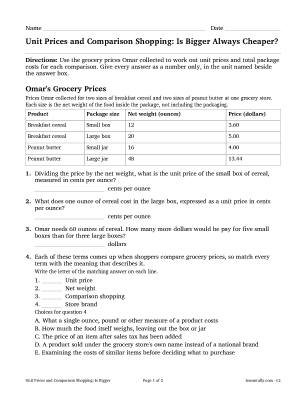
Unit Prices and Comparison Shopping: Is Bigger Always Cheaper? (opens in a new tab)
- Grade 9
- 8 questions
- Estimated reading level 8.3
Made by Greg Ostlund · LessonRally (AI-assisted)
- Career and Life SkillsFeatured
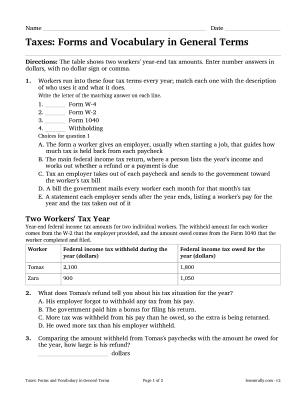
Taxes: Forms and Vocabulary in General Terms (opens in a new tab)
- Grades 11–12
- 10 questions
- Estimated reading level 9.3
Made by Greg Ostlund · LessonRally (AI-assisted)
- Career and Life SkillsFeatured
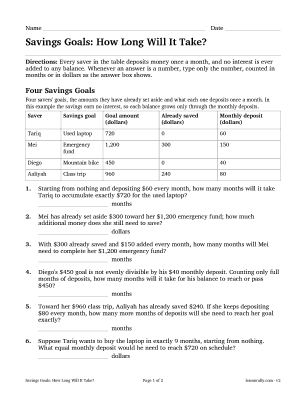
Savings Goals: How Long Will It Take? (opens in a new tab)
- Grades 9–10
- 10 questions
- Estimated reading level 7.6
Made by Greg Ostlund · LessonRally (AI-assisted)
- Career and Life SkillsFeatured
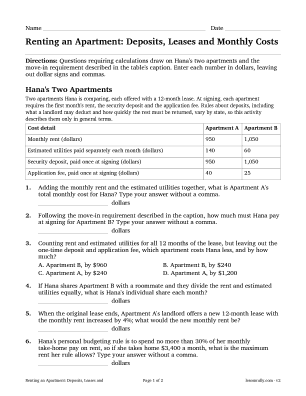
Renting an Apartment: Deposits, Leases and Monthly Costs (opens in a new tab)
- Grades 11–12
- 10 questions
- Estimated reading level 10.6
Made by Greg Ostlund · LessonRally (AI-assisted)
- Career and Life SkillsFeatured
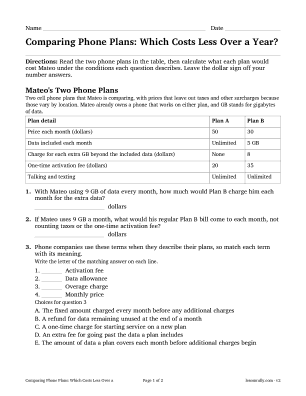
Comparing Phone Plans: Which Costs Less Over a Year? (opens in a new tab)
- Grade 9
- 8 questions
- Estimated reading level 9.3
Made by Greg Ostlund · LessonRally (AI-assisted)
- Career and Life SkillsFeatured
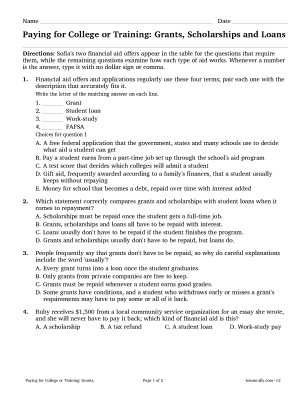
Paying for College or Training: Grants, Scholarships and Loans (opens in a new tab)
- Grades 11–12
- 10 questions
- Estimated reading level 10.1
Made by Greg Ostlund · LessonRally (AI-assisted)
- Career and Life SkillsFeatured
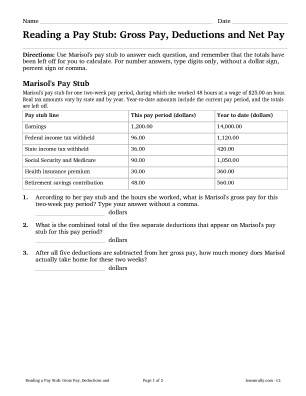
Reading a Pay Stub: Gross Pay, Deductions and Net Pay (opens in a new tab)
- Grades 10–11
- 10 questions
- Estimated reading level 9.1
Made by Greg Ostlund · LessonRally (AI-assisted)
- Career and Life SkillsFeatured
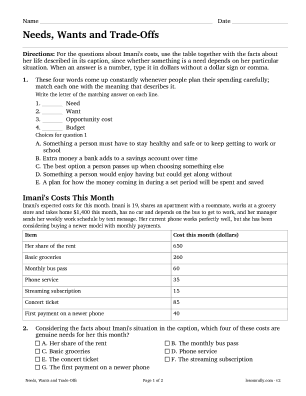
Needs, Wants and Trade-Offs (opens in a new tab)
- Grade 9
- 10 questions
- Estimated reading level 9.3
Made by Greg Ostlund · LessonRally (AI-assisted)
- Career and Life SkillsFeatured
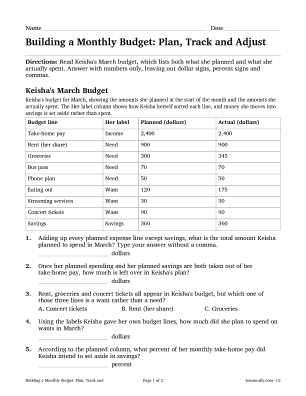
Building a Monthly Budget: Plan, Track and Adjust (opens in a new tab)
- Grade 9
- 10 questions
- Estimated reading level 8.5
Made by Greg Ostlund · LessonRally (AI-assisted)
- Career and Life SkillsFeatured
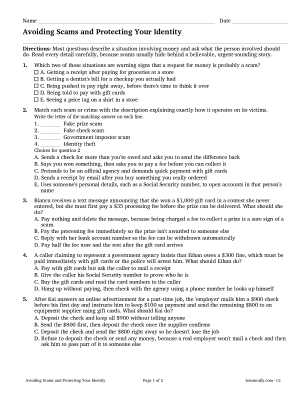
Avoiding Scams and Protecting Your Identity (opens in a new tab)
- Grades 9–10
- 11 questions
- Estimated reading level 8.9
Made by Greg Ostlund · LessonRally (AI-assisted)
- Career and Life SkillsFeatured
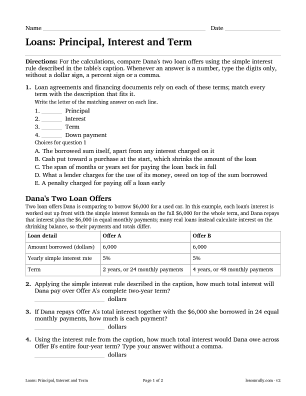
Loans: Principal, Interest and Term (opens in a new tab)
- Grades 11–12
- 8 questions
- Estimated reading level 10.5
Made by Greg Ostlund · LessonRally (AI-assisted)
- Career and Life SkillsFeatured
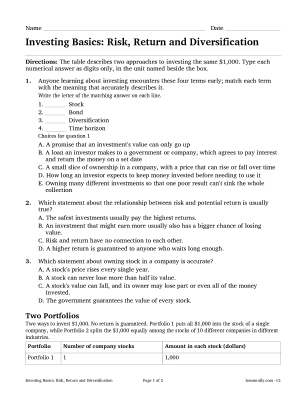
Investing Basics: Risk, Return and Diversification (opens in a new tab)
- Grades 11–12
- 10 questions
- Estimated reading level 10.5
Made by Greg Ostlund · LessonRally (AI-assisted)
- Career and Life SkillsFeatured
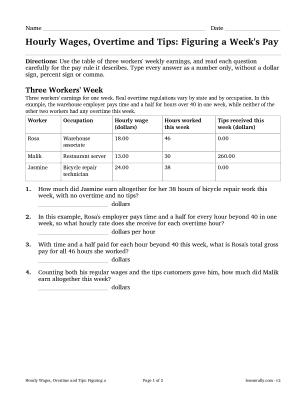
Hourly Wages, Overtime and Tips: Figuring a Week's Pay (opens in a new tab)
- Grades 9–10
- 10 questions
- Estimated reading level 8.9
Made by Greg Ostlund · LessonRally (AI-assisted)
- Career and Life SkillsFeatured
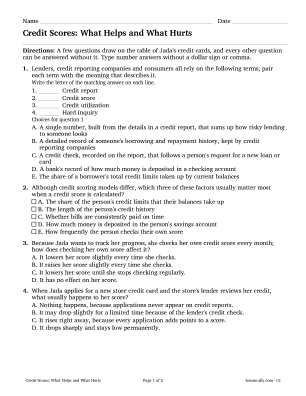
Credit Scores: What Helps and What Hurts (opens in a new tab)
- Grades 11–12
- 9 questions
- Estimated reading level 10.2
Made by Greg Ostlund · LessonRally (AI-assisted)
- Career and Life SkillsFeatured
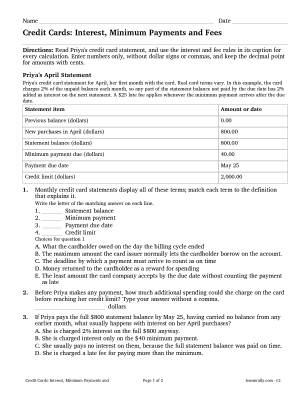
Credit Cards: Interest, Minimum Payments and Fees (opens in a new tab)
- Grades 11–12
- 10 questions
- Estimated reading level 8.0
Made by Greg Ostlund · LessonRally (AI-assisted)
- Career and Life SkillsFeatured
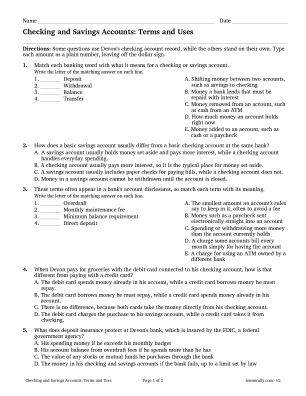
Checking and Savings Accounts: Terms and Uses (opens in a new tab)
- Grades 9–10
- 10 questions
- Estimated reading level 9.8
Made by Greg Ostlund · LessonRally (AI-assisted)
- Career and Life Skills
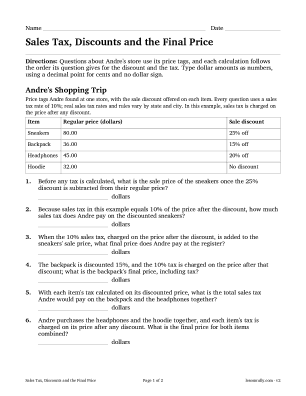
Sales Tax, Discounts and the Final Price (opens in a new tab)
- Grade 9
- 10 questions
- Estimated reading level 8.7
Made by Greg Ostlund · LessonRally (AI-assisted)
- Career and Life Skills
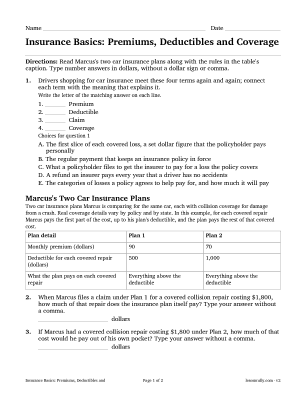
Insurance Basics: Premiums, Deductibles and Coverage (opens in a new tab)
- Grades 11–12
- 10 questions
- Estimated reading level 9.5
Made by Greg Ostlund · LessonRally (AI-assisted)
About teaching Personal Finance
- What students practice
- Figuring pay for 45 hours at 16 dollars an hour, with time and a half after 40 hours, as 760 dollars, and showing that 1,000 dollars earning 5 percent compounded yearly grows to 1,102.50 dollars in two years.
- Common mistakes
- Students often budget with gross pay instead of net pay, the amount actually received. Many pick the loan with the lowest monthly payment, though a longer term usually costs more in total; for loans of the same amount, have them add up every payment and fee.
- Ways to use these activities
- Use one of these activities before a budget project in which students plan rent, food, transportation and savings on a given take-home pay. In pairs, students compare two gym memberships over a full year, counting sign-up fees. For an exit ticket, have students name one warning sign of a scam.