

Anchor standard · English Language Arts and Literacy · Kindergarten to grade 12
CCRA.R.3
Analyze how and why individuals, events, or ideas develop and interact over the course of a text.
Anchor Standards for Reading · Key Ideas and Details
Activities matched to standards under CCRA.R.3
Filter by grade
- ScienceFeatured
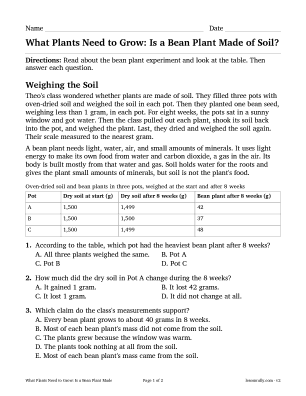
What Plants Need to Grow: Is a Bean Plant Made of Soil? (opens in a new tab)
- Grade 5
- 8 questions
- Estimated reading level 4.7
Common Core RI.5.3
Made by Wes Calloway · LessonRally (AI-assisted)
- ScienceFeatured
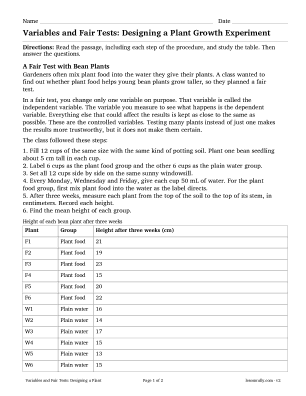
Variables and Fair Tests: Designing a Plant Growth Experiment (opens in a new tab)
- Grade 6
- 9 questions
- Estimated reading level 6.4
Common Core RST.6-8.3
Made by Myra Jefferson · LessonRally (AI-assisted)
- ScienceFeatured
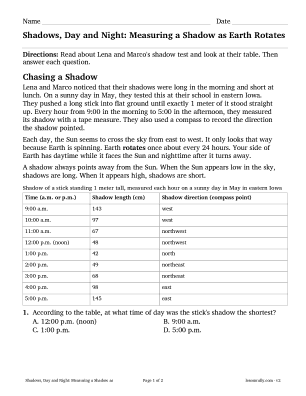
Shadows, Day and Night: Measuring a Shadow as Earth Rotates (opens in a new tab)
- Grade 5
- 8 questions
- Estimated reading level 3.9
Common Core RI.5.3
Made by Wes Calloway · LessonRally (AI-assisted)
- ScienceFeatured
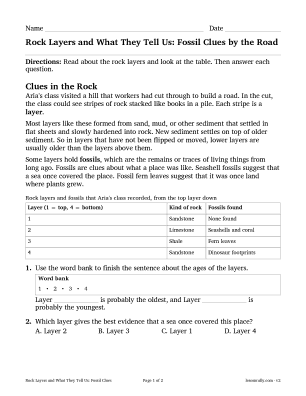
Rock Layers and What They Tell Us: Fossil Clues by the Road (opens in a new tab)
- Grade 4
- 8 questions
- Estimated reading level 5.1
Common Core RI.4.3
Made by Wes Calloway · LessonRally (AI-assisted)
- ScienceFeatured
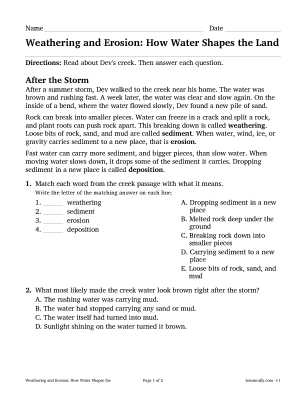
Weathering and Erosion: How Water Shapes the Land (opens in a new tab)
- Grade 4
- 8 questions
- Estimated reading level 5.5
Common Core RI.4.3
Made by Wes Calloway · LessonRally (AI-assisted)
- ScienceFeatured
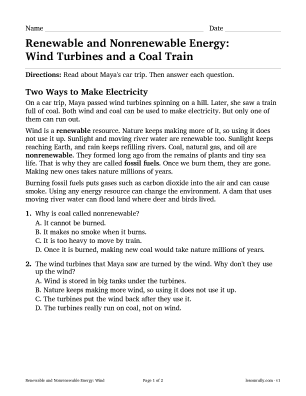
Renewable and Nonrenewable Energy: Wind Turbines and a Coal Train (opens in a new tab)
- Grade 4
- 8 questions
- Estimated reading level 5.4
Common Core RI.4.3
Made by Wes Calloway · LessonRally (AI-assisted)
- English Language ArtsFeatured
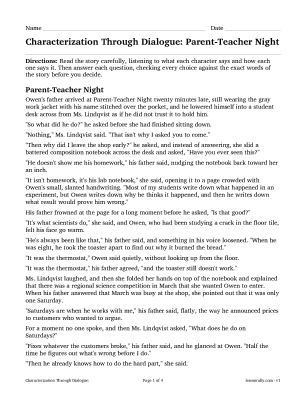
Characterization Through Dialogue: Parent-Teacher Night (opens in a new tab)
- Grades 9–10
- 10 questions
- Estimated reading level 8.3
Common Core RL.9-10.3
Made by Eleanor Wrenfield · LessonRally (AI-assisted)
- English Language ArtsFeatured
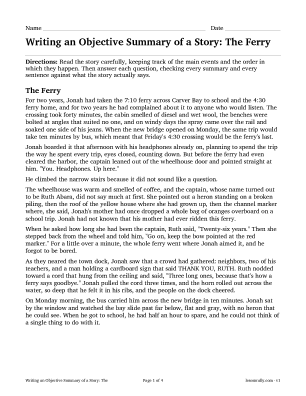
Writing an Objective Summary of a Story: The Ferry (opens in a new tab)
- Grades 9–10
- 10 questions
- Estimated reading level 8.6
Common Core RL.9-10.3
Made by Eleanor Wrenfield · LessonRally (AI-assisted)
- English Language ArtsFeatured
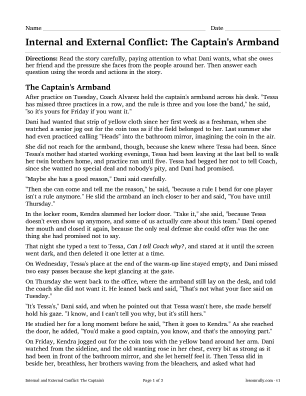
Internal and External Conflict: The Captain's Armband (opens in a new tab)
- Grades 9–10
- 10 questions
- Estimated reading level 8.1
Common Core RL.9-10.3
Made by Eleanor Wrenfield · LessonRally (AI-assisted)
- English Language ArtsFeatured
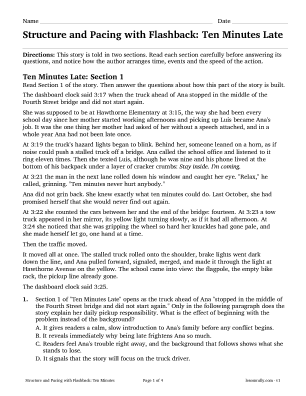
Structure and Pacing with Flashback: Ten Minutes Late (opens in a new tab)
- Grades 9–10
- 12 questions
- Estimated reading level 7.3
Common Core RL.9-10.3
Made by Eleanor Wrenfield · LessonRally (AI-assisted)
- English Language ArtsFeatured
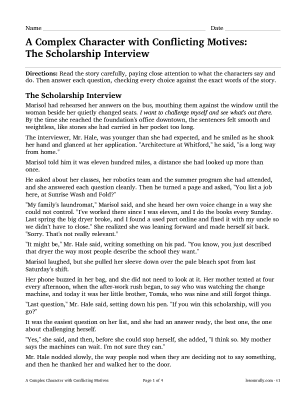
A Complex Character with Conflicting Motives: The Scholarship Interview (opens in a new tab)
- Grades 9–10
- 10 questions
- Estimated reading level 8.8
Common Core RL.9-10.3
Made by Eleanor Wrenfield · LessonRally (AI-assisted)
- Social StudiesFeatured
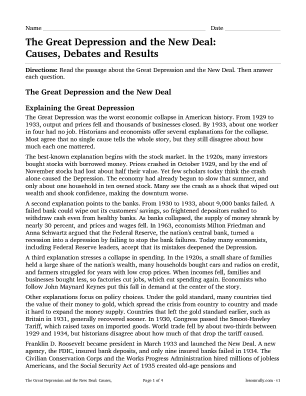
The Great Depression and the New Deal: Causes, Debates and Results (opens in a new tab)
- Grade 11
- 12 questions
- Estimated reading level 9.7
Common Core RH.11-12.3
Made by Monica Ellison · LessonRally (AI-assisted)
- English Language ArtsFeatured
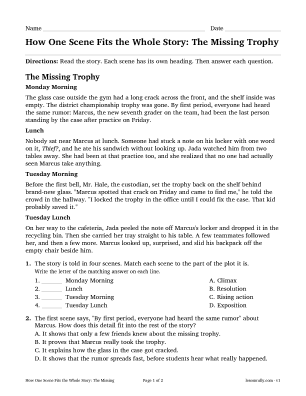
How One Scene Fits the Whole Story: The Missing Trophy (opens in a new tab)
- Grade 6
- 8 questions
- Estimated reading level 6.1
Common Core RL.6.3
Made by Claire Fenwood · LessonRally (AI-assisted)
- English Language ArtsFeatured
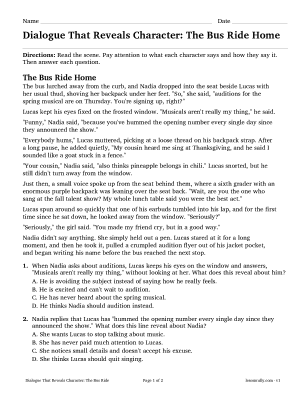
Dialogue That Reveals Character: The Bus Ride Home (opens in a new tab)
- Grade 8
- 8 questions
- Estimated reading level 6.9
Common Core RL.8.3
Made by Claire Fenwood · LessonRally (AI-assisted)
- English Language ArtsFeatured
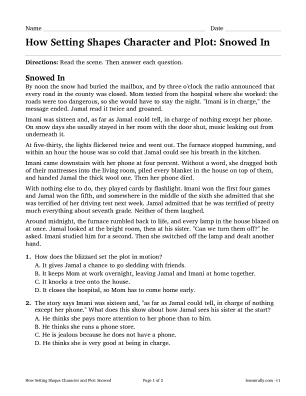
How Setting Shapes Character and Plot: Snowed In (opens in a new tab)
- Grade 7
- 8 questions
- Estimated reading level 6.4
Common Core RL.7.3
Made by Claire Fenwood · LessonRally (AI-assisted)
- English Language ArtsFeatured
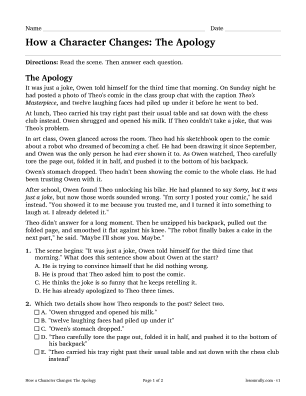
How a Character Changes: The Apology (opens in a new tab)
- Grade 6
- 8 questions
- Estimated reading level 6.1
Common Core RL.6.3
Made by Claire Fenwood · LessonRally (AI-assisted)
- English Language ArtsFeatured
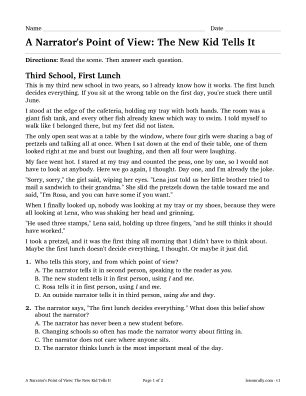
A Narrator's Point of View: The New Kid Tells It (opens in a new tab)
- Grade 6
- 8 questions
- Estimated reading level 6.4
Common Core RL.6.3
Made by Claire Fenwood · LessonRally (AI-assisted)
- English Language ArtsFeatured
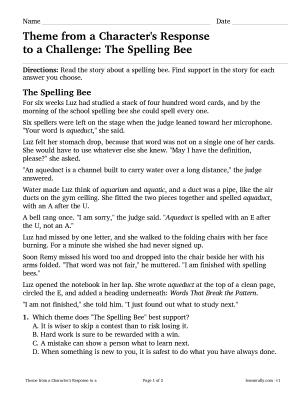
Theme from a Character's Response to a Challenge: The Spelling Bee (opens in a new tab)
- Grade 5
- 7 questions
- Estimated reading level 4.9
Common Core RL.5.3
Made by Andre Whitaker · LessonRally (AI-assisted)
- English Language ArtsFeatured
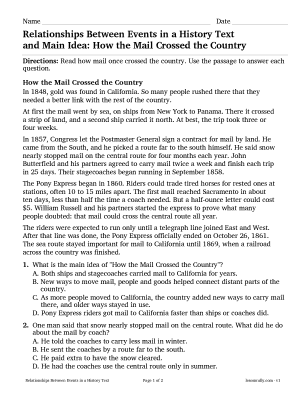
Relationships Between Events in a History Text and Main Idea: How the Mail Crossed the Country (opens in a new tab)
- Grade 5
- 7 questions
- Estimated reading level 6.4
Common Core RI.5.3
Made by Andre Whitaker · LessonRally (AI-assisted)
- English Language ArtsFeatured
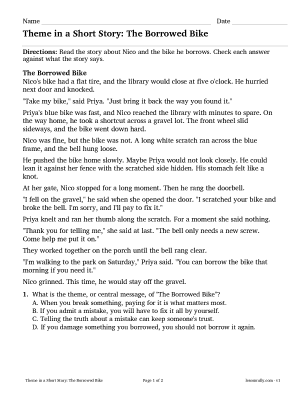
Theme in a Short Story: The Borrowed Bike (opens in a new tab)
- Grade 4
- 7 questions
- Estimated reading level 4.4
Common Core RL.4.3
Made by Andre Whitaker · LessonRally (AI-assisted)
- English Language ArtsFeatured
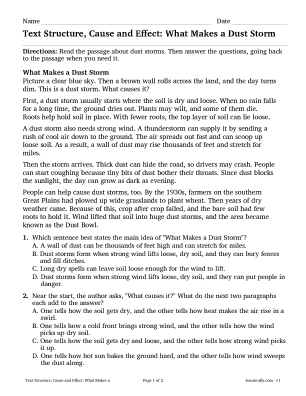
Text Structure, Cause and Effect: What Makes a Dust Storm (opens in a new tab)
- Grade 4
- 8 questions
- Estimated reading level 5.0
Common Core RI.4.3
Made by Andre Whitaker · LessonRally (AI-assisted)
- Social Studies
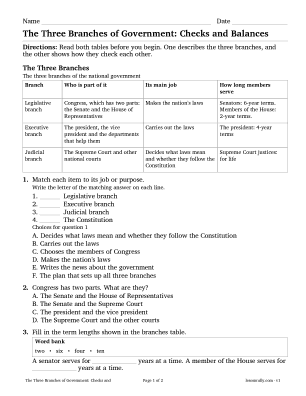
The Three Branches of Government: Checks and Balances (opens in a new tab)
- Grade 5
- 9 questions
- Estimated reading level 4.9
Common Core RI.5.3
Made by Carmen Valdoria · LessonRally (AI-assisted)
- Science
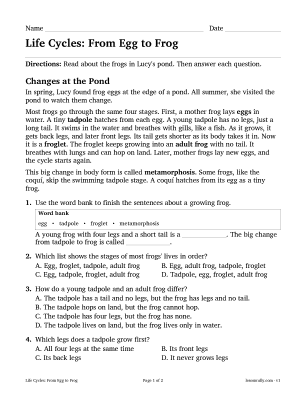
Life Cycles: From Egg to Frog (opens in a new tab)
- Grade 3
- 8 questions
- Estimated reading level 4.3
Common Core RI.3.3
Made by Wes Calloway · LessonRally (AI-assisted)
- Science
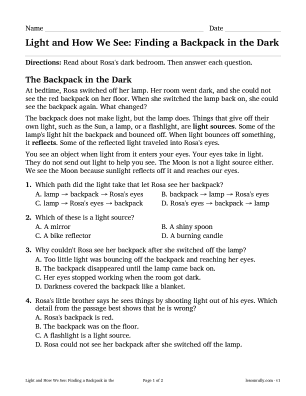
Light and How We See: Finding a Backpack in the Dark (opens in a new tab)
- Grade 4
- 8 questions
- Estimated reading level 5.0
Common Core RI.4.3
Made by Wes Calloway · LessonRally (AI-assisted)
Where it fits
Grade standards under this anchor (28)
With prompting and support, identify characters, settings, and major events in a story.
Describe characters, settings, and major events in a story, using key details.
Describe how characters in a story respond to major events and challenges.
Describe characters in a story (e.g., their traits, motivations, or feelings) and explain how their actions contribute to the sequence of events
RL.4.3 2 activities
Describe in depth a character, setting, or event in a story or drama, drawing on specific details in the text (e.g., a character's thoughts, words, or actions).
RL.5.3 2 activities
Compare and contrast two or more characters, settings, or events in a story or drama, drawing on specific details in the text (e.g., how characters interact).
RL.6.3 3 activities
Describe how a particular story's or drama's plot unfolds in a series of episodes as well as how the characters respond or change as the plot moves toward a resolution.
RL.7.3 1 activity
Analyze how particular elements of a story or drama interact (e.g., how setting shapes the characters or plot).
RL.8.3 1 activity
Analyze how particular lines of dialogue or incidents in a story or drama propel the action, reveal aspects of a character, or provoke a decision.
RL.9-10.3 5 activities
Analyze how complex characters (e.g., those with multiple or conflicting motivations) develop over the course of a text, interact with other characters, and advance the plot or develop the theme.
Analyze the impact of the author's choices regarding how to develop and relate elements of a story or drama (e.g., where a story is set, how the action is ordered, how the characters are introduced and developed).
With prompting and support, describe the connection between two individuals, events, ideas, or pieces of information in a text.
Describe the connection between two individuals, events, ideas, or pieces of information in a text.
Describe the connection between a series of historical events, scientific ideas or concepts, or steps in technical procedures in a text.
RI.3.3 1 activity
Describe the relationship between a series of historical events, scientific ideas or concepts, or steps in technical procedures in a text, using language that pertains to time, sequence, and cause/effect.
RI.4.3 8 activities
Explain events, procedures, ideas, or concepts in a historical, scientific, or technical text, including what happened and why, based on specific information in the text.
RI.5.3 5 activities
Explain the relationships or interactions between two or more individuals, events, ideas, or concepts in a historical, scientific, or technical text based on specific information in the text.
Analyze in detail how a key individual, event, or idea is introduced, illustrated, and elaborated in a text (e.g., through examples or anecdotes).
Analyze the interactions between individuals, events, and ideas in a text (e.g., how ideas influence individuals or events, or how individuals influence ideas or events).
Analyze how a text makes connections among and distinctions between individuals, ideas, or events (e.g., through comparisons, analogies, or categories).
Analyze how the author unfolds an analysis or series of ideas or events, including the order in which the points are made, how they are introduced and developed, and the connections that are drawn between them.
Analyze a complex set of ideas or sequence of events and explain how specific individuals, ideas, or events interact and develop over the course of the text.
Identify key steps in a text's description of a process related to history/social studies (e.g., how a bill becomes law, how interest rates are raised or lowered).
Analyze in detail a series of events described in a text; determine whether earlier events caused later ones or simply preceded them.
RH.11-12.3 1 activity
Evaluate various explanations for actions or events and determine which explanation best accords with textual evidence, acknowledging where the text leaves matters uncertain.
RST.6-8.3 1 activity
Follow precisely a multistep procedure when carrying out experiments, taking measurements, or performing technical tasks.
Follow precisely a complex multistep procedure when carrying out experiments, taking measurements, or performing technical tasks, attending to special cases or exceptions defined in the text.
Follow precisely a complex multistep procedure when carrying out experiments, taking measurements, or performing technical tasks; analyze the specific results based on explanations in the text.
Counts updated 23 minutes ago.
How matching works
LessonRally matches each shared activity to the Common Core standards its questions require, using AI after the activity passes review. Every standard shown in Browse was chosen independently by two AI models, or by LessonRally.
© Copyright 2010. National Governors Association Center for Best Practices and Council of Chief State School Officers. All rights reserved.